Organizing in the school pickup line Pt 2
A second essay on organizing in the school pickup and what protecting neighbors from ICE has taught me.
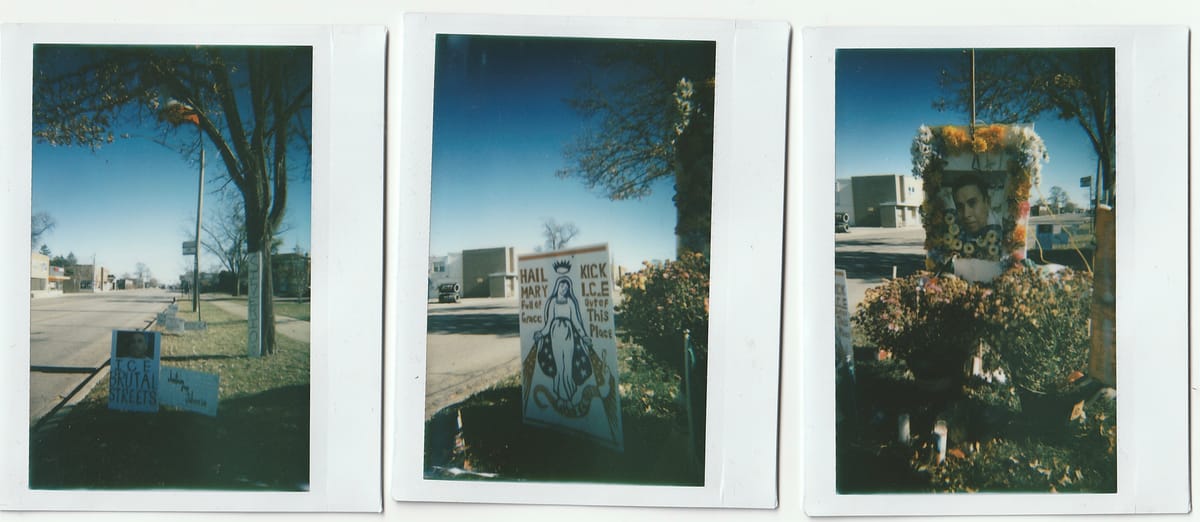
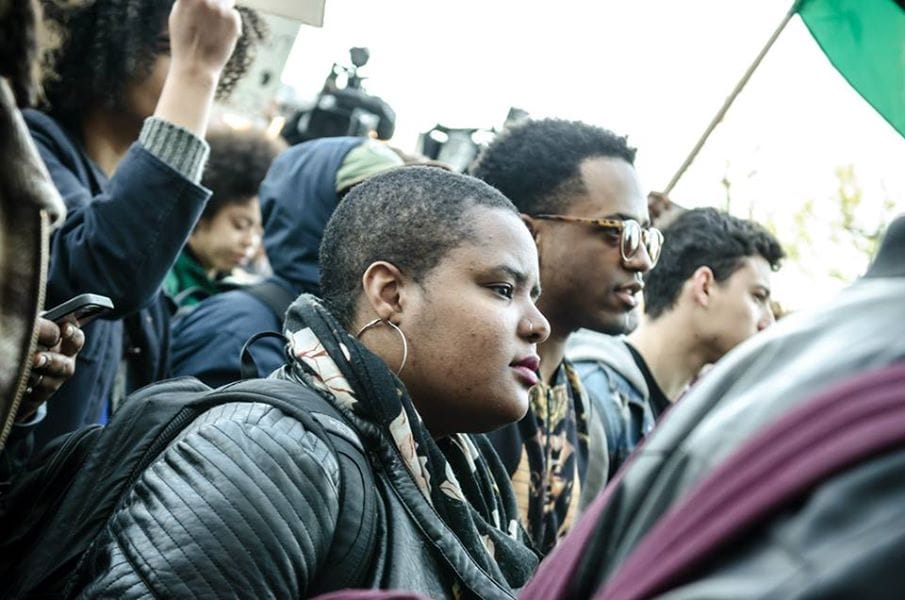
“Sorry for the noise, I’m at a protest,” I explained over the phone as a car screeched to a halt before a red light. The large poster board fell between my legs as I went into parent mode on the side of the road. I hadn’t expected to receive a call from the school nurse informing me that my son was feeling unwell. Just three miles away, I delegated school pickup while concerned community members gave updates in front of news cameras and cops glared at me for stepping onto hospital property.
I knew that when I said “See you soon, baby,” there was a good chance it was true. That isn’t the case for a majority of our neighbors.
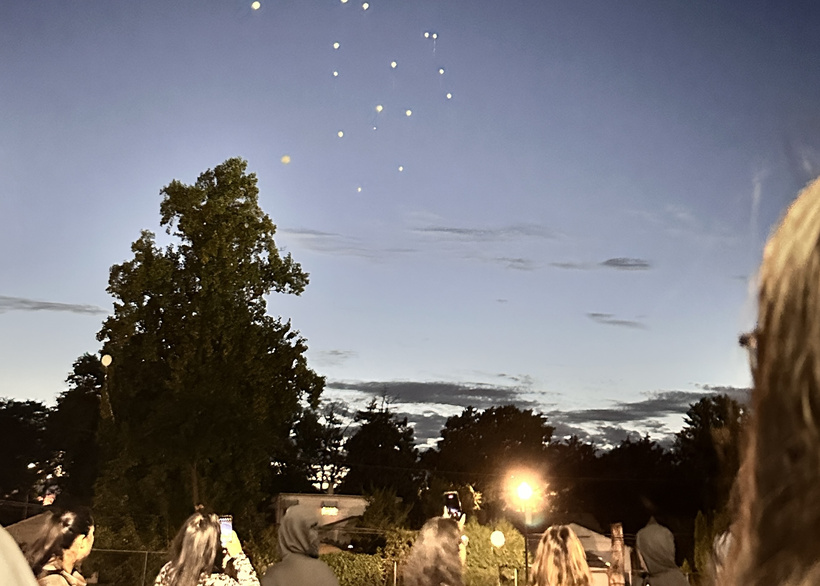
I think about my neighbor Silverio Villegas González every morning on the way to school. He never got to see this year’s school photos or take blurry photos of his excited children on Halloween. To my knowledge, Silverio’s two sons still haven’t reunited with their father’s family.
The school board has reported that attendance has gone up considerably this year, presumably because families believe our children are safest there. The smiles on the students’ faces make me believe that’s true. However, Silverio’s son was in lockdown after ICE murdered his father just three blocks away—what exactly do we mean when we say the kids are safe? His classmates haven’t seen the second grader since Friday, September 12th.
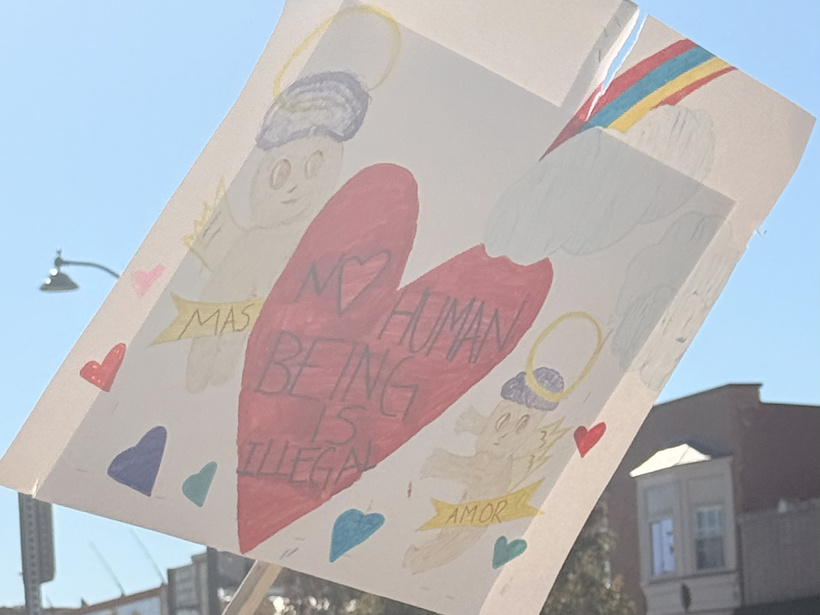
Over the past few weeks, I’ve noticed fewer adults present during school pickup and more older siblings and cousins showing up with weighted responsibility. I think about the generations of siblings who have protected each other through unexpected bullets in the streets, getting each other home safely only to discover yet another insidious pain inflicted upon their family.
On September 30th, young children among the dozens of residents of an apartment in Chicago's South Shore neighborhood were zip-tied and detained by federal agents including FBI, ICE, and Border Patrol during a raid. The cowards stormed through the building and destroyed these residents’ homes in the predominantly Black community. This South Side Weekly article by Jim Daley shares chilling quotes of 911 calls from that night.
The patterns haven’t changed. Children living under surveillance and criminalization are conditioned to believe it is due to the personal choices of the adults in their lives rather than the cruelty and cowardice of elected officials and shadow billionaire decision makers.
It took nearly two weeks before my brain stopped flashing back to witnessing SWAT and DEA raids in my neighborhood as a child. There are some scenes I can’t forget regardless of how much time has passed. If you aren’t someone who can relate, I’ll let you know that there is a heaviness that comes with growing up with the unshakeable feeling that everyone hates where you come from and anyone who looks like you. Children shouldn't have to bury their sadness or fear to appease people who consider them disposable.
“The children are always ours, every single one of them, all over the globe; and I am beginning to suspect that whoever is incapable of recognizing this may be incapable of morality,” wrote James Baldwin for the Nation in 1980.
Baldwin’s words are a reminder that white supremacy and capitalism have never cared about our children. And there have always been adults struggling to guide them in making sense of the world. It takes a village to shelter, feed, clothe, and love a child. It takes a village to instill values and sense of security and safety. We are the village that takes seriously our duty to protect each other and model collective care.
As hundreds of educators and parents have reminded me over this past summer, “There’s no such thing as other people’s children.”
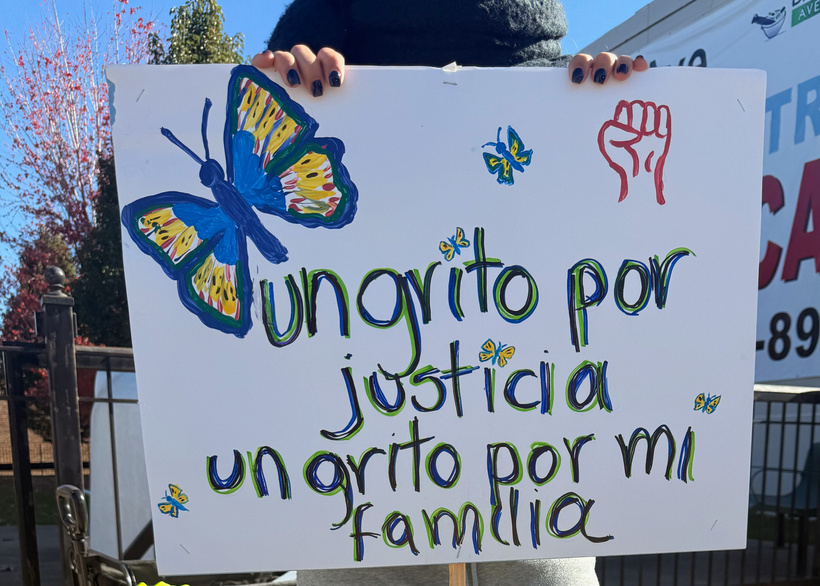
After a second demonstration, I brought home echoes of the loud horns and cheers of “Fuck ICE” along busy intersections. Local community organizations mobilized a few dozen people on Monday in support of Ricardo Aguayo Rodriguez who was assaulted by U.S Border Patrol agents in Melrose Park. He was brought to the hospital on Sunday, where he was still detained when we arrived in the morning. His family weren’t allowed to see him.
I had a nagging worry that we would miss the inevitable kidnapping as our growing crowd was pushed further away from the hospital entrance earlier that morning. Soon after I made it home, it was reported by Chicago Tribune (gift link) that he was discharged from the hospital without his family being notified and his location was unknown.
In an 1998 essay about breaking the law for betterment of the people, June Jordan wrote, “When the law is wrong, when the law produces and enjoins manifest and undue injury to a people, when the law punishes one people and privileges another, it is our moral obligation to break the law! The law is not God-given!”
Why should we abide by laws that have no regard for humanity? As I write this essay on November 6th, I was alerted that a neighbor was abducted less than five minutes from me. Safety isn’t guaranteed for our neighbors or anyone fighting for the babies whose family members might not make it back home tonight.
We need everyone to keep calling attention to the hell that federal agents has brought upon our communities throughout Chicago and its suburbs. Every kidnapping fuels our demands: Free them all and get immigration enforcement out of Illinois now. We won't let fascism or white supremacy win.
Ricardo's family is currently raising funds for legal fees and support as Ricardo heals. Please donate if you have the funds to make a contribution.
Giving me life
🎵 Our neighbors at Hijas del Pueblo made a tribute playlist featuring Silverio’s favorite songs. You can check it out here (It is on Spotify but you can probably find the songs on music streaming platforms of your choosing.)
🎧 My dear friends and favorite zinesters, Mariame Kaba and Red Schulte, talked to Kelly Hayes about zines, censorship, and organizing. Check out the wonderful episode of Movement Memos here.
📹 Check out the first two episodes from One Million Experiments in the Field. I have so much love and appreciation for everyone involved with this project. If you aren't familiar, One Million Experiments is a multimedia project exploring how we define and create safety in a world without police and prisons. Watch their new series and share with a friend!