On Crafting a Creative Life
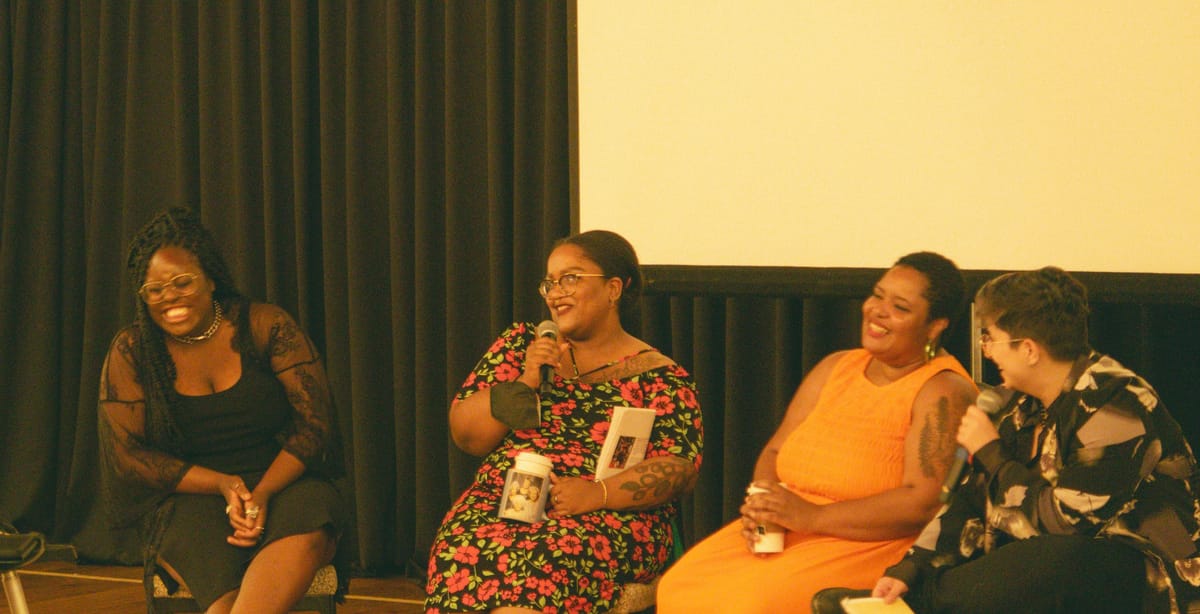
2024 marked the 10th anniversary of getting on a stage to tell a story about heartbreak, hot flings, and nurturing the version of myself that wanted to be loved. It was the first time I shared such intimate details of my life outside of a Livejournal entry, and I haven’t stopped sharing since then.
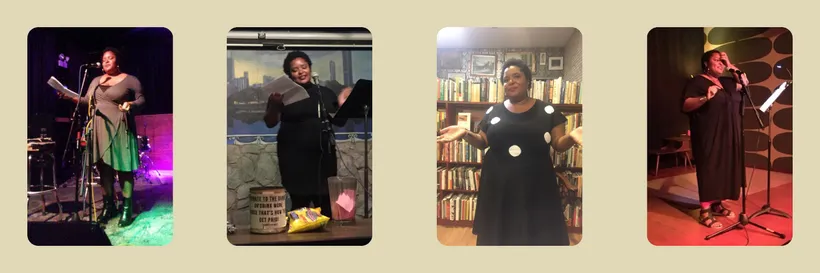
Being on stage was a dream of mine during childhood. I loved the idea of being on stage since taking a session of West African dance at a local community center in the early 2000s. We had to perform during a showcase and it made me a nervous wreck. I hated the pressure of remembering choreography and knowing I was far away from being the best on the stage. The leotard made me sweat, and I was one of the lucky ones who didn’t have to wear a lion’s mane of polyester felt—that was reserved for the star pupils. As soon as the music started, my feelings shifted. There was something about standing under the bright lights and losing sight of the crowd while knowing all of their eyes were focused on us dancers. It didn’t matter if I was horrible or destined for a future cohort of Alvin Ailey dancers; being on that stage taught me the power of performance.
You wouldn’t catch me back up there as a dancer though. My singing abilities weren’t going to get me on stage, and I wasn’t talented in acting. I was mediocre with instruments, offering little beyond my high school marching band. Eventually, it was became clear that performing arts weren’t my lane, and I needed to move on. However, it still felt as though something was missing; I sought another creative outlet when options were limited for a kid without disposable income.
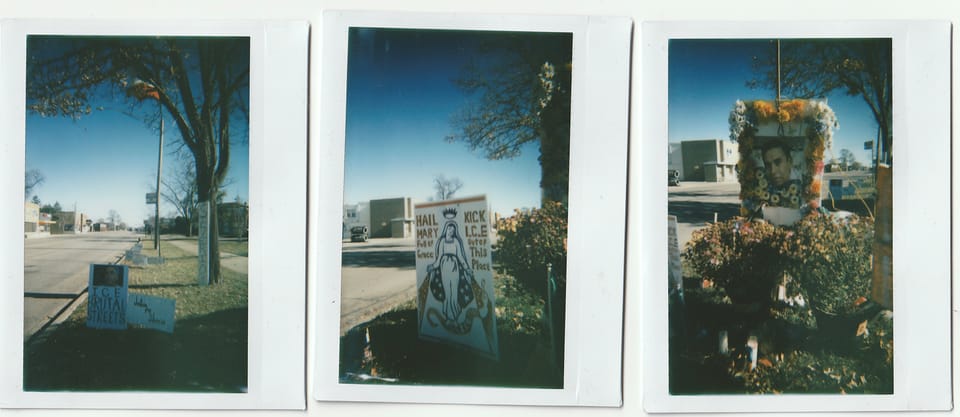
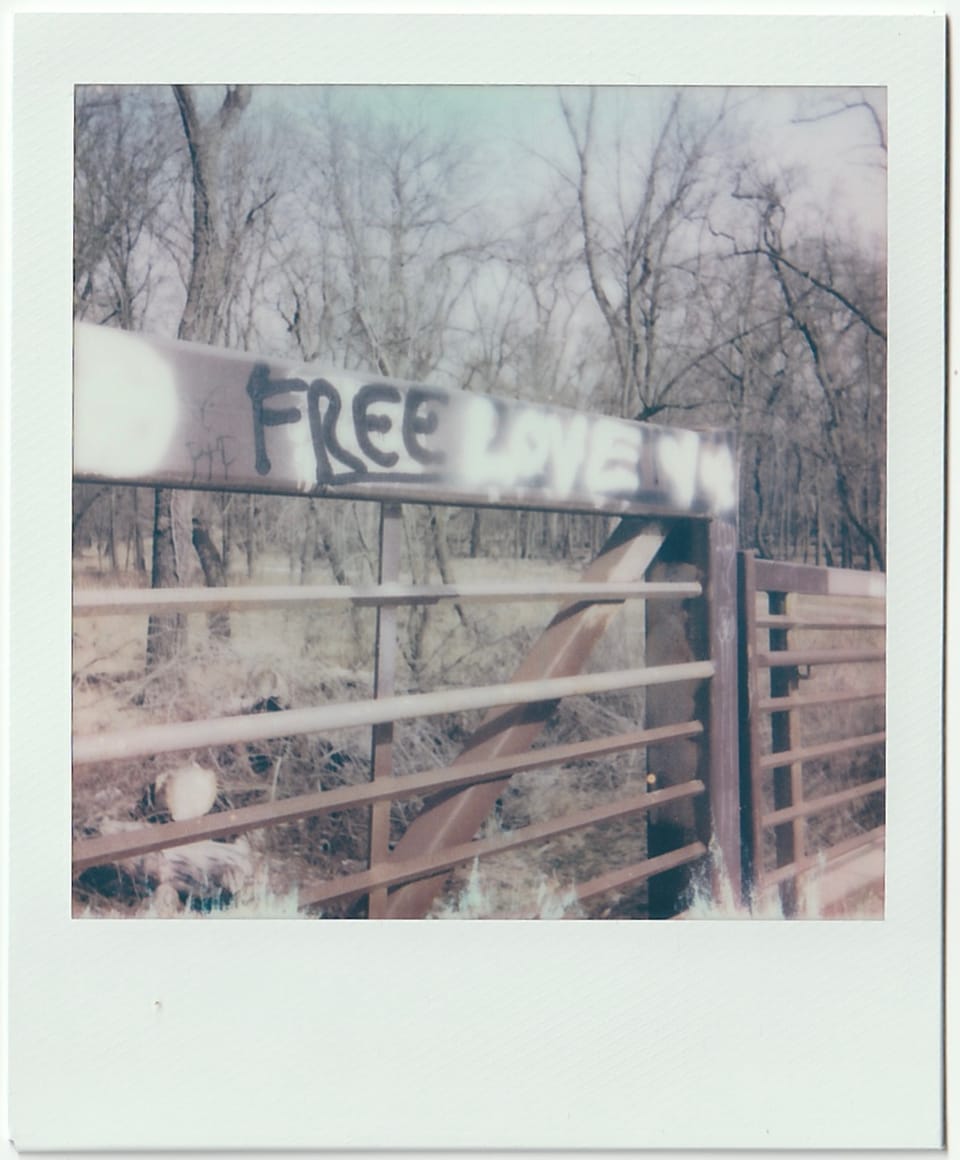
I enjoyed art classes in elementary school, but courses in the community center charged a fee and required gas to get between home and the studio. Supplies were expensive and frequently needed to be replaced. You couldn’t tear me away from my Barbie Polaroid camera as a young child, not even when I’d run out of film and the expense was just too high to replenish it. Becoming a visual artist wasn’t happening.
Still, I wanted a way to express myself and make sense of my brain. I’d received enough compliments on my writing that I convinced myself pursuing the craft was a viable option. Sticking with the art form, I focused on writing poems and fictional short stories in composition notebooks. Maybe I’ll be a published writer one day.
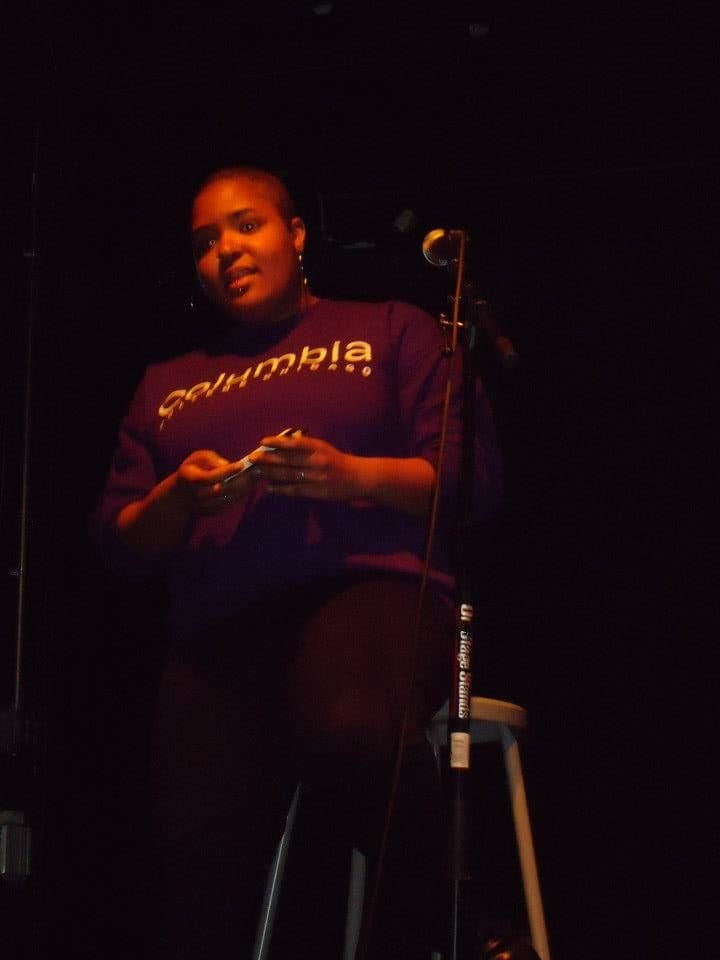
I arrived at college with dreams of becoming a journalist and sharing stories about communities that were continually overlooked. Journalism became less of a priority as I realized my values weren’t aligned with the industry. I made my way into the humanities, history, and social sciences department for a degree in cultural studies.
The closest I got to writing creative nonfiction was sharing critical observations and analyzing research for assignments. Immersed in critical theory, I desired a deeper understanding of myself outside of the categories assigned to me—what was I longing to share to the point of suffocation? What needed to be said at the mercy of an audience’s approval?
In 2014, two friends of mine were students of Megan Stielstra and felt energized by Chicago’s live storytelling scene. They decided to host a live storytelling show, which required performers to attend workshops to finalize our pieces. Naive to the world of live lit, I submitted a story (which might’ve just been a series of Livejournal entries? Shame didn’t mean much for 21-year-old me, I suppose) and was invited to join the lineup after previous performers dropped out.
“That line was such an opening line,” Lance, one of the show’s producers, told me after I left the stage.
I’d rewritten it several times and still didn’t know if it would come out of my mouth once I approached the mic. I used the stage to process a situationship that was nothing more than an energy drain. After cycling through my head for months prior, the last words from my sort-of ex increased in decibels as I timidly started my set. After telling the story of being with Lucky live, I started to believe that I didn’t lack emotional depth and that loving me wasn’t a challenging task. The storytelling performance returned a sense of self that remained bruised for years, but thankfully, it was mine again.
Through my friends, I learned about and became a long-time admirer of 2nd Story, The Stoop, Grown Folks Stories, and other platforms that exceeded traditional expectations of what made a good story or performance. I learned that I didn’t need an MFA or a laundry list of writing workshops and residencies when courage and a halfway decent story would do. It helped to have the audacity to believe that anyone would want to hear what I had to say—and carry a jubilant attitude even if they hate it.
Writing my senior thesis decimated my ability to read long texts. As I procrastinated writing a final paper, I picked up a copy of Megan Stielstra’s Once I Was Cool and read it in one sitting. I told my best friend Vanessa, over a plate of tacos and a second margarita, “I want to write like that.”
Getting permission to write and share stories kept me glued to a Google document with outlines that eventually became finished pieces. It allowed me to wade through the intensive demands of writing, embracing the lump in my throat as I wrote a sentence that I’d never imagined would escape my head, hugging the version of myself that didn’t have the courage to say goodbye. High-fiving and reassuring the versions who made bold claims, with evidence and analysis so sharp, it severed the bullshit with precision.
I’ve always considered myself a writer, but it wasn’t until I graduated from college that I considered myself an artist—labeling myself as more than a writer was getting too wordy. After finishing undergrad, I needed to reframe what creating art looked like for me, someone who always felt separate from art’s possibilities.
My art was putting words to the page and speaking into a microphone. I also re-discovered the art of cultivating spaces for people to show up as their authentic, genuine selves. With event production, I showed up as a curator, fan, and fellow artist. Holding those different roles and having a varied appreciation for art taught me much about the community it forms and the movements it sparks. As much as I loved a spotlight, I didn’t write to build an audience or gain recognition through awards and accolades. I wrote to show others they could show up how they wanted.
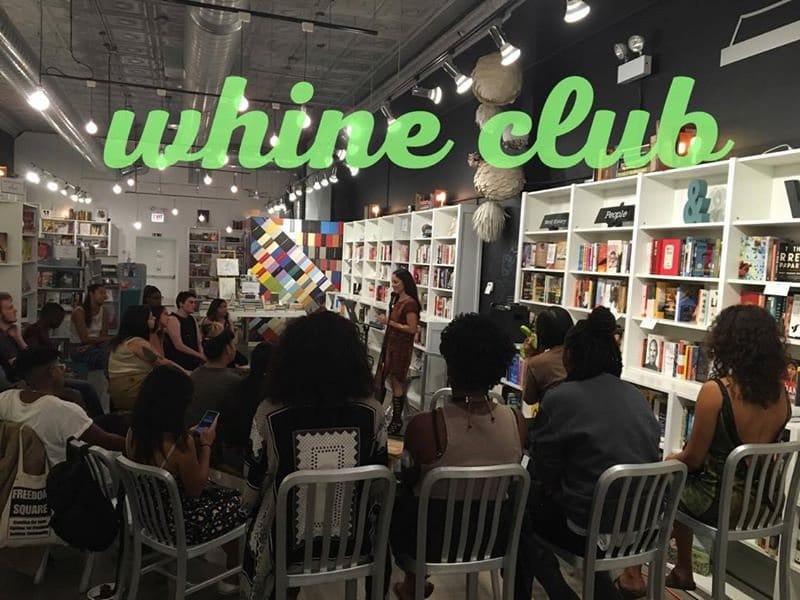
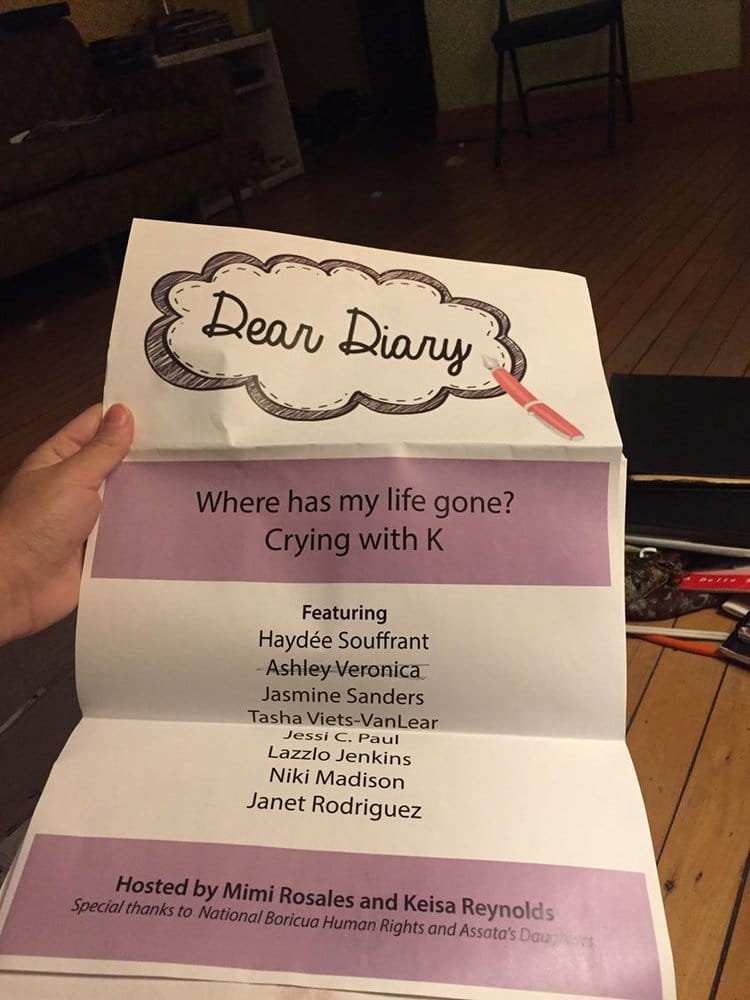
It was enough to have someone at the bus stop recognize me at a party, “Hey! I was in the audience at __. I loved the story you shared. It reminded me of [this memory that they rarely shared outside of their closest group of friends].” I loved the organic outreach of passing out a folded flier from the bottom of my bag or watching as someone excitedly typed the name of Whine Club into a Facebook search bar.
Many times, people did show up—and you couldn’t tell me nothing! Word-of-mouth marketing will never go out of style. My heart sprang when they showed up the next time with a friend. Of course, those interactions with strangers scared me because, hello, I do not want to be perceived. The moments were intriguing, too—what else can happen when people feel inspired to show up?