Do I Have to Be Understood to Take Up Space?: An Essay in Three Parts
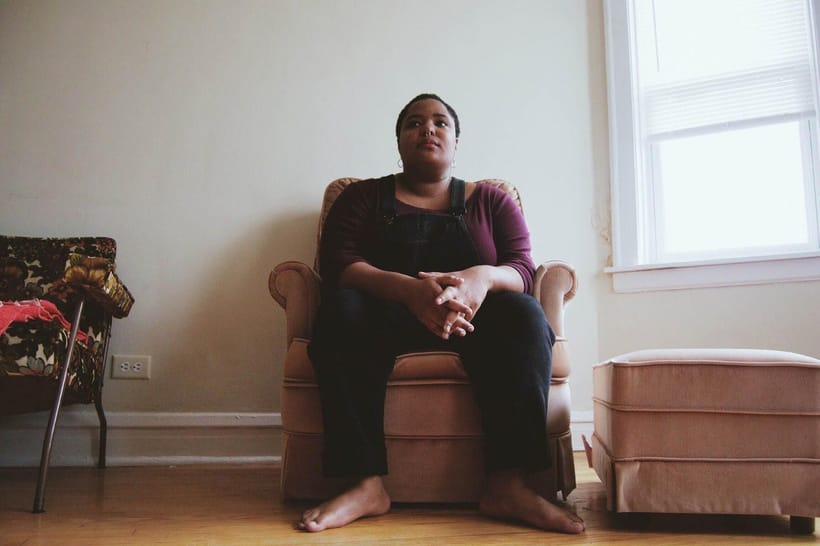
Two years ago, a colleague told me that I should get more comfortable with being seen. He didn’t know that I was emotionally beaten down and couldn’t be bothered with visibility. Despite my workaholic tendencies, the idea of visibility around work makes me itch. I couldn’t stand the idea of being front and center of something that didn’t fit how I saw myself. That’s to say, I couldn’t bear to be misrepresented.
Did my colleague know that I once made a point of being heard, using the voice that an English professor of mine deemed inauthentic? Yes, she personally delivered this unsolicited opinion after stopping me on the street. It was an effort to encourage me to take up space—assuming that I wasn’t in touch with my identity enough to bravely do so. Despite being made aware of my disability, it didn’t occur to her that she was encountering a deaf voice.
It wasn’t the audism that bothered me most, it was the audacity. What would it mean for me to take up space when there is always a part of me that remains perplexing? Do I have to be understood in order to take up space?
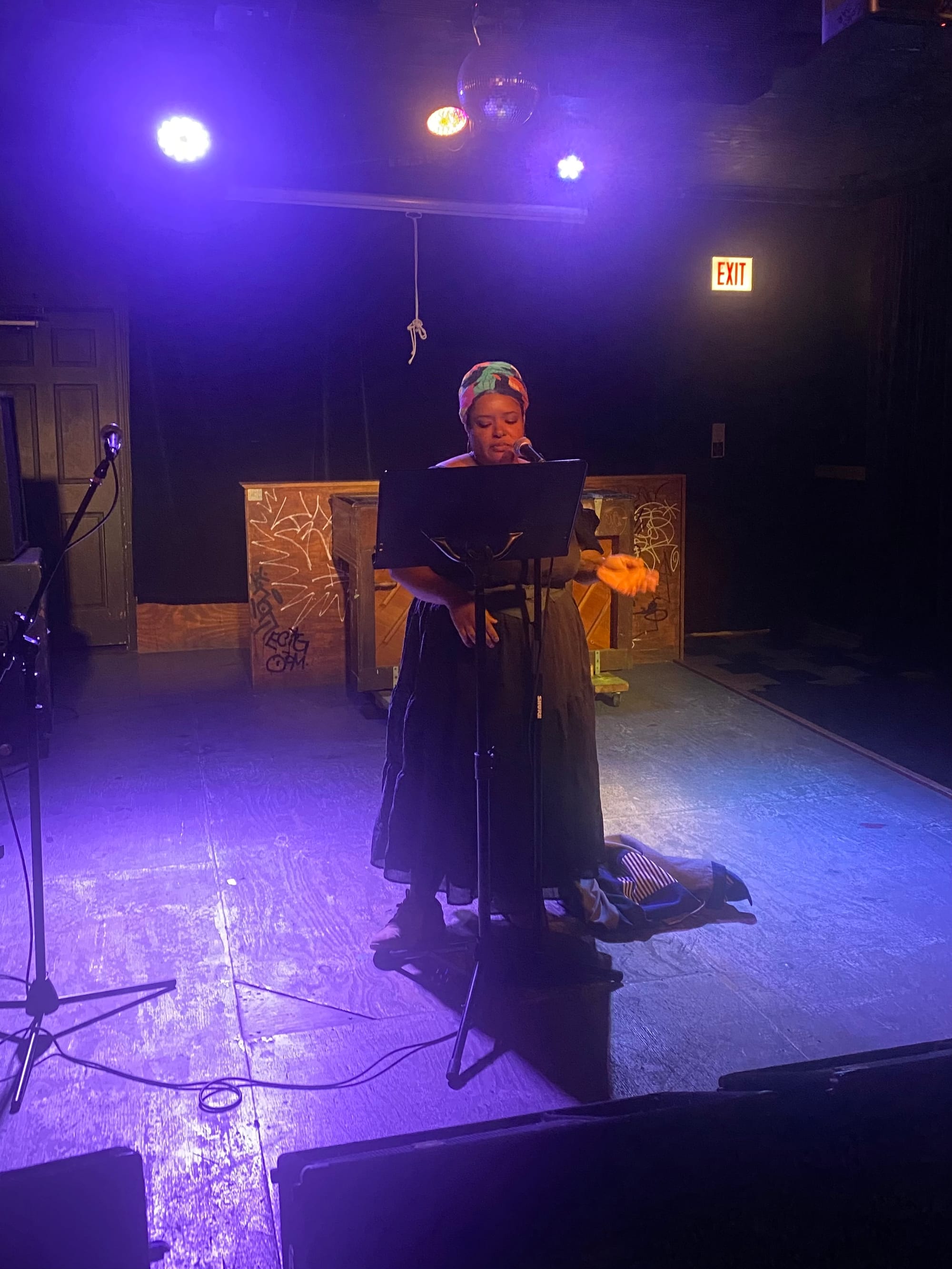
I would think of her words for years when I appeared on stages, front porches, and cramped living rooms to share some of my most vulnerable moments. But being seen or heard wasn’t an issue for me—or so I thought.
Sometimes it’s hard to believe that “I deserve to take up space” was an affirmation that I often wielded in my early 20s. I didn’t want to join the legions of Black women, femmes, and non-binary people whose multi-layered identities were diminished and erased even, or especially, as they gained popularity. At 22 years old, I tucked Alice Walker’s command close to me during this time: Be nobody’s darling.
After an ex said, “I know you,” more attentively than I’d ever experienced, I reverted to what I knew best: Making myself smaller and easier to hide. I was still carefully choosing my words, over-explaining my thoughts and opinions—as if I needed to justify their existence in the first place. How could he know me when I was reluctant to even know myself? I wrote furiously to figure myself out before he did. The relationship didn’t last long, but my endeavor into self-discovery continued.
It’s funny how much changes over time, isn’t it?
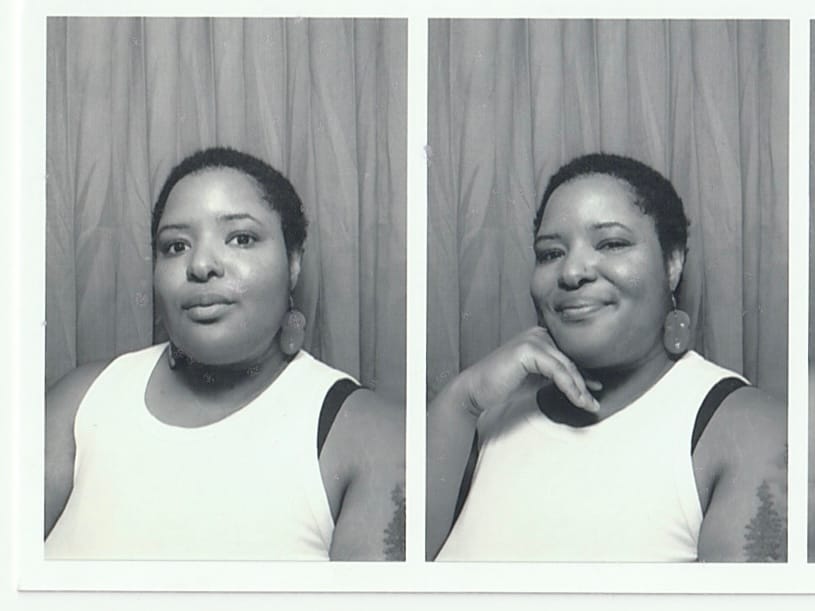
My first selfies were captured on my mom’s T-Mobile Sidekick, a QWERTY slide phone with a 0.3 megapixel camera. She was always among the first to adopt new phone technology, embracing anything that allowed her to communicate easily with friends. She didn’t care about the camera—that was my domain. Given that it rivaled the attachable webcam on the family desktop, I would sneak it away to take the perfect picture. I took as many selfies as possible until my mom eventually complained about them taking up precious storage space.
It wasn’t surprising when she finally relented and bought my first digital camera. Its 4 GB memory card quickly filled with what I learned were called self-portraits. It wasn’t that I was fond of my face—though it has always been cute—I wanted to remember that I was still here. At some point, Future Me—a better, more improved, less self-absorbed Future Me—would see Present Me as evidence that I was hoping to survive.
The photos that didn’t make the cut to share on Facebook or Livejournal remain unseen in lost SD cards. Those mystery cards hold versions of me that I’ve long forgotten. Their absence reminds me of how I used to destroy old journals when I felt removed from the person who documented unbearable, invisible pains. I stopped sacrificing memories when I decided to become a live storyteller and share the truth as I remembered it.
You write gorgeous sentences that contain force. Those are words from a different professor whose feedback I’ve kept for over a decade because it was the first time that I felt seen as a writer. As someone with something to say. As someone worth understanding.
Back in 2015, I picked up a copy of bell hooks’ Wounds of Passion: A Writing Life. It was the summer after I graduated college and I was feeling stuck in the Bay Area. Earning an unlivable stipend, struggling to find my creative voice, and unable to report on news that I felt was crucial—it felt as though everything was doing its hardest to suffocate me. I couldn’t figure out who I was if I couldn’t write.
I stopped making photos after an impromptu photo shoot with my girlfriend in Berkeley Rose Garden. My camera felt heavy in my hand after we left each other as exes. Failing to disentangle, we both lingered in separate aisles of Half Price Books near Cal’s campus a week later. Discovering a book that I’d yet to read by bell hooks was a treat. Even more so, when I devoured the text within two days and decided that I would write myself into existence.
In Wounds of Passion: A Writing Life, hooks writes, “Words have been the source of the pain and the way to heal.” This rings true for me, of course, and reminds me of the visibility that comes with being a writer who shares. The writing process, however arduous, has always been easier than sharing it with others. You might know by now that I don’t enjoy being seen. As you can imagine, my desire to connect with others gets in the way of that. As I get older, I don’t find as much enjoyment in taking up space as much as cultivating a space that encourages others to share.
Maybe it’s the punk in me, but I relish being misunderstood. Visibility of any level is still a challenge for me, but I’m still here, why not let others witness?
Thanks for sticking around.
This essay was originally published in 2024 on Substack. You can read the essay as a digital zine here. It’s free and available for downloads if you’d like to read as a pdf or print it out.